
Preparing Your Soil for Drought — and Helping It Recover Afterwards

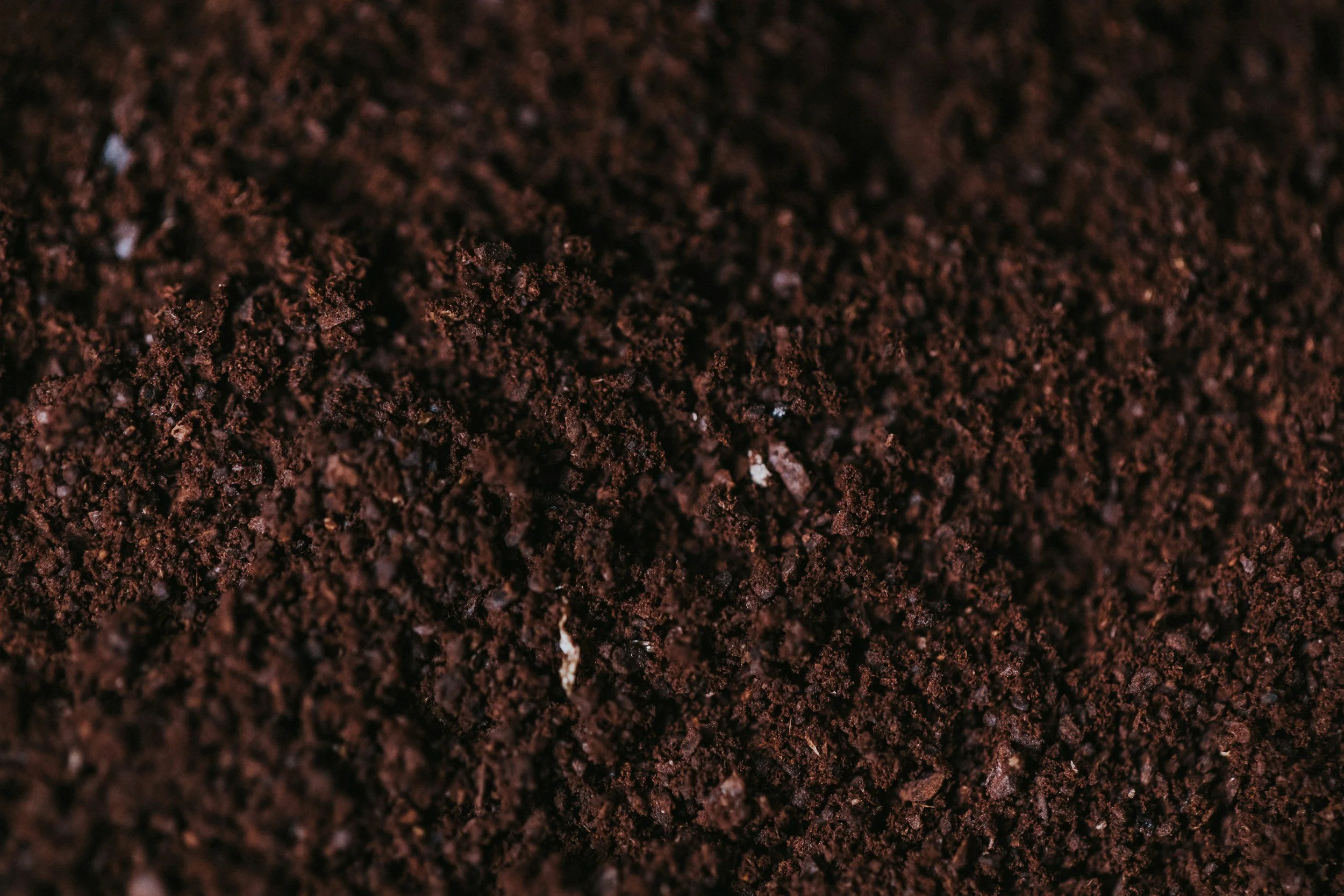
Drought can be tough on a garden (this year so far has proved that) but the damage isn't limited to thirsty plants. Prolonged dry weather can have a significant impact on the soil itself, leaving it hard, hydrophobic and biologically quiet.
Good garden design can help reduce the impact of drought, but creating a more drought-resilient garden starts beneath the surface, with healthy soil.
Soil can become hydrophobic when waxy residues build up on its particles, causing water to repel rather than absorb into the soil. These residues form when high temperatures and low rainfall cause the soil to dry out, reducing the microbes that would normally break them down. Sandy soils are particularly prone to hydrophobicity, as are dried-out potting mixes and soils containing undecomposed organic matter.
The good news is that healthy soil is one of the best tools we have for making gardens more resilient. By maintaining organic matter, protecting the soil surface with mulch and encouraging healthy soil biology, we can prepare the ground before the next dry spell — and help it recover when the rain finally returns.
Here’s our guide on how to tackle this:
Before a drought: build healthy soil
The best time to prepare your soil for drought is before the weather turns dry.
Organic matter is particularly important. Compost, well-rotted manure, leafmould and other suitable organic materials help improve soil structure and water-holding capacity. By adding plenty of organic matter when preparing soil for drought, it can improve water retention and the availability of water to plants.
Think of organic matter as helping your soil behave more like a sponge. Rather than allowing water to disappear rapidly, a well-structured soil is better able to hold moisture around the root zone.
Keep topping up organic matter
Soil isn't something that should be prepared once and then forgotten about.
Organic matter gradually breaks down, so keeping it topped up is an important part of long-term soil care. Adding compost, well-rotted organic matter or suitable soil improvers over time helps maintain soil structure and provides food for the organisms living within the soil.
Mulch: your soil's protective layer
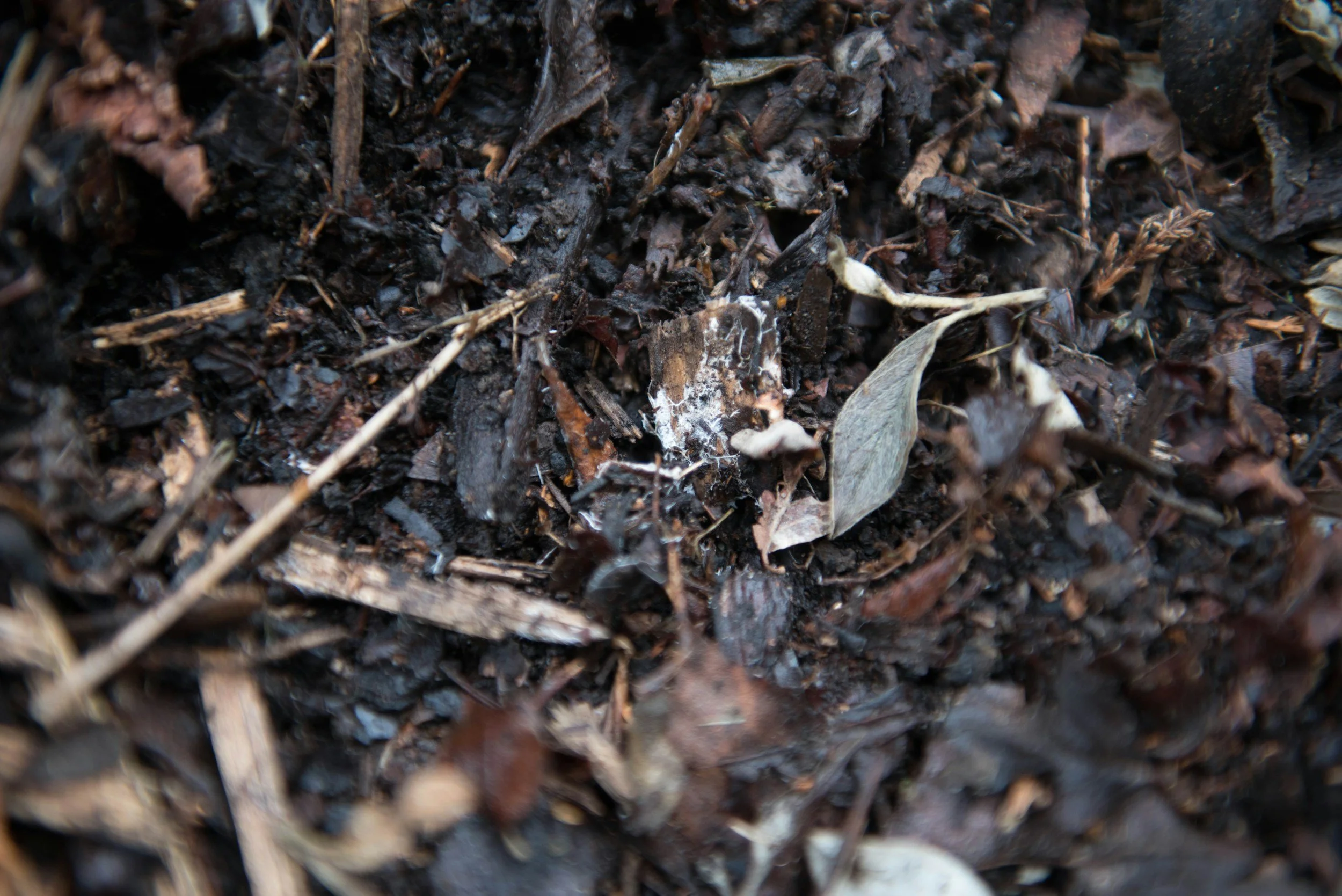
One of the simplest things you can do before a drought is mulch the soil.
A good organic mulch acts as a protective blanket over the surface. It reduces evaporation, helps retain moisture and protects the soil from temperature extremes. As organic mulch breaks down, it also contributes additional organic matter to the soil.
Aim for a decent layer rather than scattering a thin covering. The RHS recommends a minimum of around 5cm, with 7.5cm often being ideal, depending on the situation.
Good options include:
Garden compost
Leafmould
Well-rotted manure
Composted bark
Suitable soil improvers
Keep mulch away from direct contact with the stems or trunks of plants, particularly trees and shrubs.
When the drought breaks: don't assume the soil has recovered
After a prolonged drought, it can be tempting to simply wait for the rain and carry on as normal.
However, very dry soil can initially struggle to absorb water effectively (becoming hydrophobic). Water may run across the surface or move rapidly through cracks and channels rather than evenly soaking into the root zone.
Watering extremely dry soil
Rather than giving the soil one huge amount of water all at once, try watering it slowly and in stages.
Give the soil an initial watering, then leave it for around 30 minutes before watering again. Repeat this several times, allowing the water time to begin penetrating the soil between applications.
The aim is to gradually re-wet the root zone rather than allowing water to simply run away.
Give the soil biology a helping hand
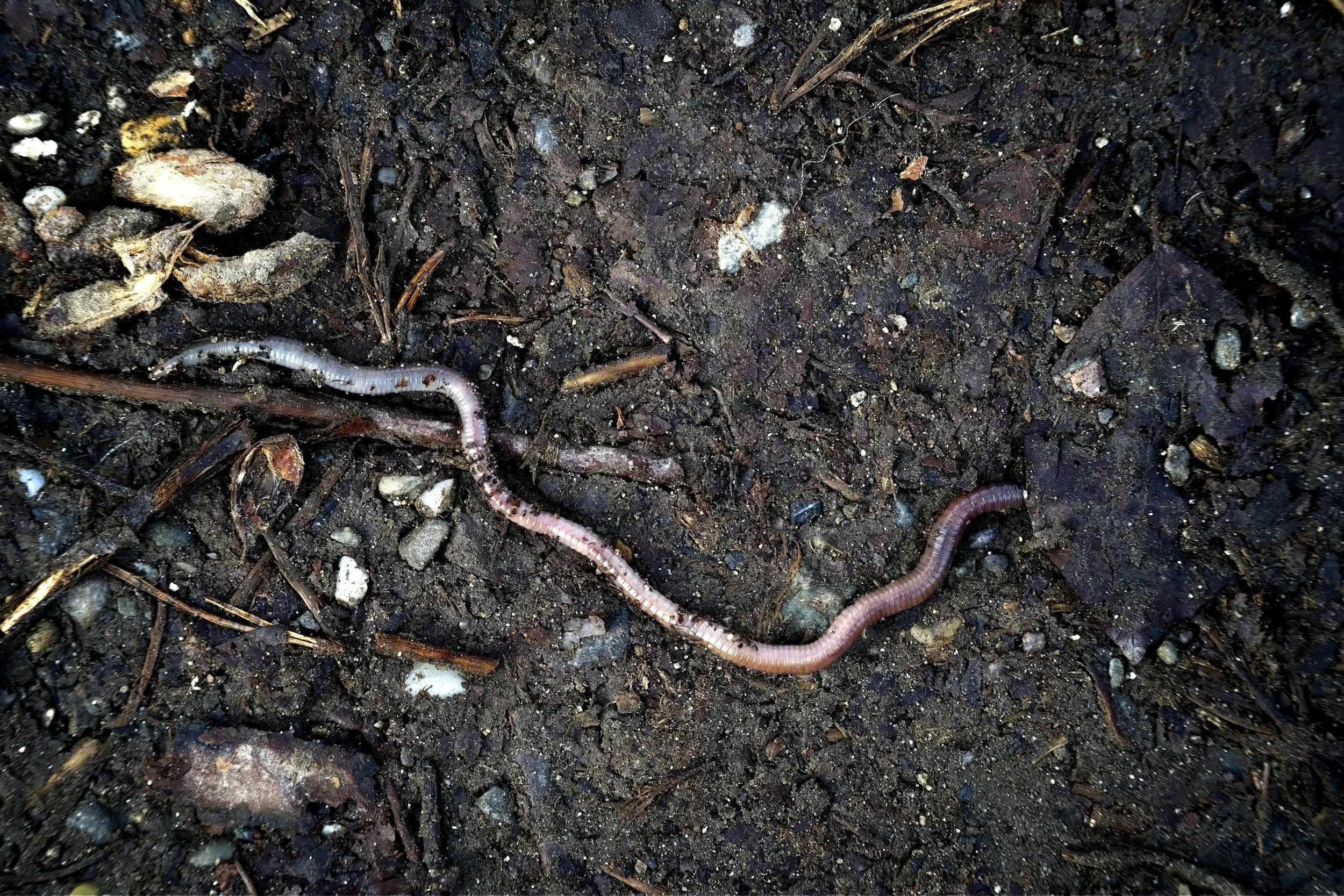
Drought doesn't only affect plants. Soil organisms can also become less active during prolonged hot and dry conditions. Earthworms, for example, can become dormant during particularly hot or dry weather.
Once the soil has started to receive moisture again, restoring organic matter and encouraging soil life can help get the soil ecosystem moving again.
Earthworms after drought
Earthworms are valuable members of a healthy garden soil ecosystem. They consume decaying organic material and help create and maintain soil structure.
If your soil has been badly affected by drought and has a low earthworm population, you may consider introducing suitable worms once the soil has been rewetted and conditions have become favourable.
For example, Worms Direct's Mixed Earthworm Collection contains a mixture of species, including both deeper-burrowing and surface-dwelling worms, and is recommended for general garden use including raised beds, flower beds, shrub beds and around larger shrubs and trees. We also strongly recommend adding worms to your soil after extensive works on your garden. This is important as it helps mix the different layers of soil, ensure good drainage, aeration and soil structure. However, be sure to buy earthworms (latin name: Lumbricus terrestris), not composting worms as these have very different purposes.
It’s worth noting that introducing worms shouldn't be viewed as a substitute for improving the soil itself. If there is plenty of organic matter and suitable moisture, earthworms will often colonise garden soils naturally.
Mycorrhizal fungi: supporting the plant's root system
Another option to consider, particularly when planting or restoring plants following stressful conditions, is mycorrhizal fungi.
Mycorrhizal fungi form associations with plant roots, creating an extended network that can help plants access water and nutrients. Mycorrhizal fungi can help plants cope with drought and adverse soil conditions.
For planting, Rootgrow Mycorrhizal Fungi is designed to be applied so that the fungi come into contact with the plant's roots. The manufacturer's instructions recommend applying the granules directly to the planting area and then watering normally.
If you're using a particular mycorrhizal product, follow that product's application instructions, as application methods differ between products.
When the rain arrives
Rain following a long drought is welcome, but it is also an opportunity to start rebuilding the soil.
Once the ground has begun taking on moisture again, consider:
1. Replenishing organic matter
Add compost, leafmould or another suitable organic soil improver.
2. Re-establishing a mulch layer
Once the soil is adequately moist, apply a good organic mulch to help retain that moisture going forward.
3. Encouraging soil life
Give worms and microorganisms the food and moisture they need by maintaining healthy levels of organic matter.
4. Considering mycorrhizal fungi when planting
For new plants, applying an appropriate mycorrhizal product at planting can help establish beneficial fungal associations with the roots.
Drought-resilient garden design
Soil is only one part of creating a garden that can cope with increasingly dry conditions. Drought-tolerant garden design also considers plant selection, planting density, aspect, shade, drainage, mulch and the way different areas of the garden are used.
Choosing drought-tolerant plants can reduce reliance on regular watering, while good soil preparation can help plants make better use of the moisture available. Thoughtful planting design can also create areas of shade and shelter, helping to create a garden that is better able to cope with periods of heat and low rainfall.
For gardens in Cambridge and Cambridgeshire, understanding the existing soil, aspect and conditions of the site is an important part of creating a resilient planting scheme and we know all about that.
Think beyond the next drought
The best drought preparation isn't a single product or treatment. It's about building a healthy, resilient soil system throughout the year.
Keep organic matter topped up. Protect the surface with mulch. Avoid unnecessary soil disturbance. Encourage natural soil life. Water deeply and thoughtfully rather than little and often.
Healthy soil has a much better chance of holding onto moisture when conditions are dry — and recovering when the rain finally returns.
Prepare the soil before the drought, protect it during the drought, and rebuild it after the drought. Your plants will benefit from all three.