
Surviving Summer: Caring for Your Garden in Extreme Heat.
It's a very British mindset to spend months longing for sunshine, only to find ourselves anxiously watching the skies and hoping for rain. Right now, that's the reality for millions of gardeners across the UK as we are amidst yet another heatwave.
Heatwaves are becoming an increasingly familiar part of British summers, and this year has brought some of the highest temperatures ever recorded. With them often comes the dreaded hosepipe ban. It's easy to look out at a wilting garden and feel as though you've somehow failed it. But perhaps this is the season that asks us to garden differently.
A hosepipe ban doesn’t mean the end of a beautiful garden. In fact, it can teach us something gardeners have always known: resilience is often quietly growing beneath the surface.
Accept that not everything will survive
This is probably the hardest lesson. Some plants will struggle. Some may look decidedly sorry for themselves. Annuals might fade early and lawns may turn straw-coloured.
That’s OK.
Lawns are far tougher than they look and will usually green up again when the rain returns. Think of them as resting rather than dying.
The garden isn’t meant to look like a glossy magazine spread all year round. It is, after all, a living thing responding to the seasons, which are currently changing at a rapid rate.
Water wisely
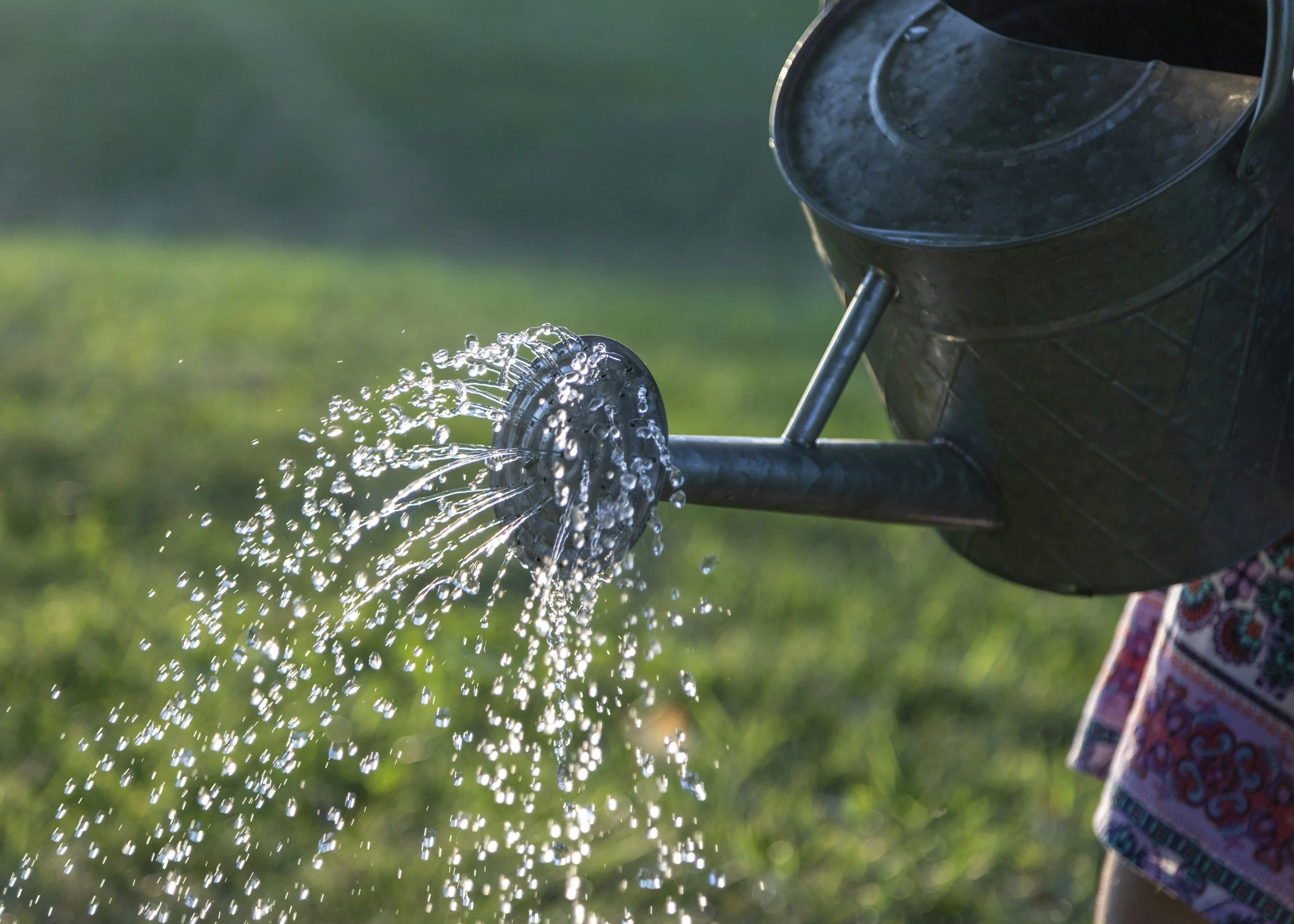
If restrictions allow watering cans, make every drop count.
Water early in the morning or late in the evening.
Water deeply and less often rather than little and often.
Prioritise newly planted shrubs, vegetables and containers.
Water the soil, not the leaves.
Collect any grey water that’s suitable for ornamental plants, such as cooled cooking water or water left in glasses (avoiding anything containing detergents or salt).
Mulch is your best friend
A generous layer of mulch is worth its weight in gold during a heatwave. Compost, well-rotted manure or bark chips help lock moisture into the soil and keep roots cooler.
Move pots into the shade
Container plants suffer first because they have nowhere to send their roots in search of water.
Don’t be afraid to shuffle pots around. Grouping them together creates a more humid microclimate and helps reduce water loss. Even moving them into dappled shade for the hottest part of the day can make a huge difference.
Harvest often
Vegetables can become stressed in prolonged heat. Harvest courgettes while they’re small and tender, pick beans regularly and don’t leave lettuce waiting for the perfect moment—it will probably bolt before then.
Summer gardening isn’t always about abundance. Sometimes it’s simply about making the most of what’s there.
Embrace the Mediterranean mindset
The Mediterranean has been gardening in hot, dry conditions for centuries. Their gardens aren’t obsessed with lush green lawns and constant watering. They’re designed to work with the climate, not against it.
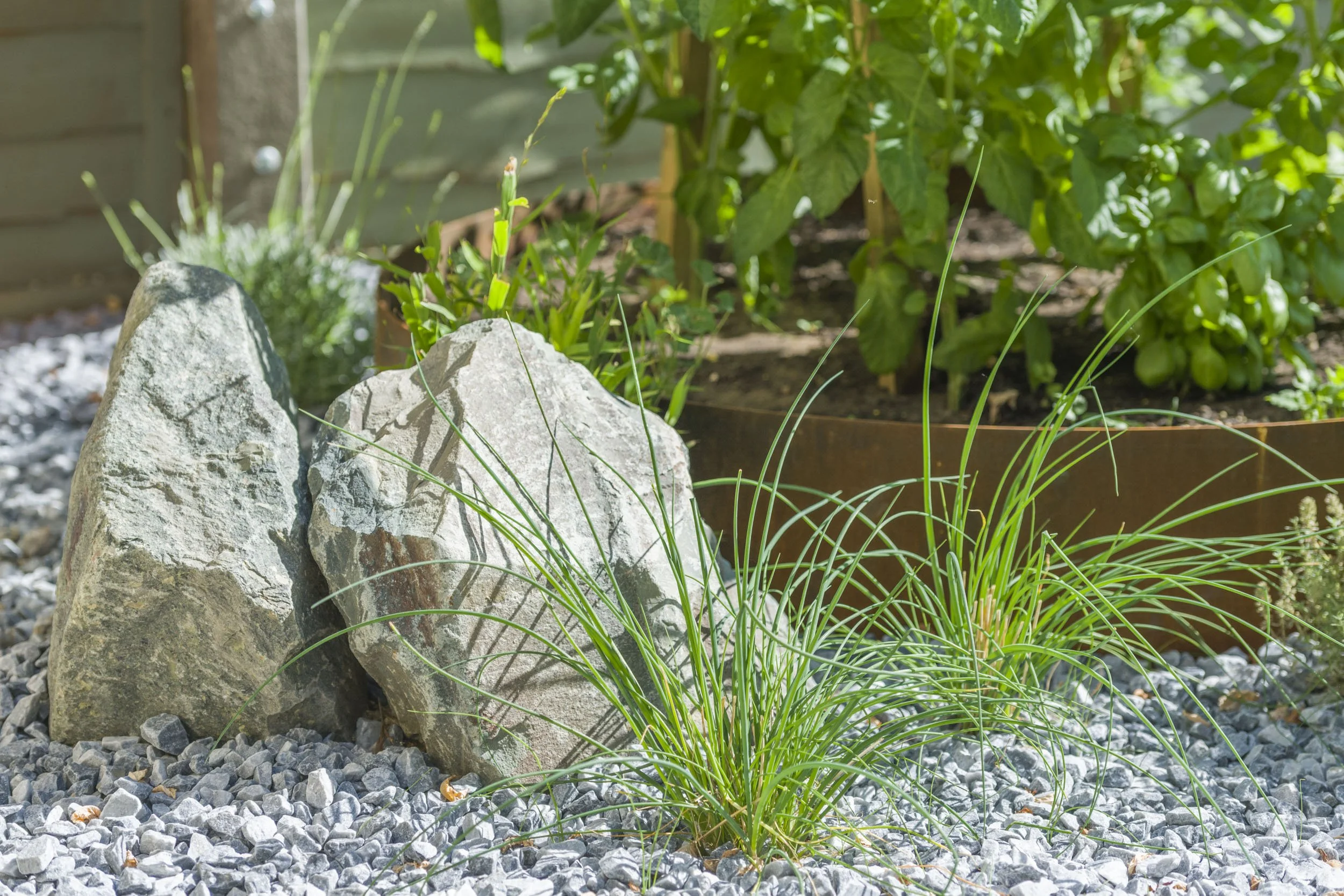
This might be the perfect time to think about planting more drought-tolerant varieties—lavender, rosemary, sage and ornamental grasses all thrive when other plants are asking for another drink.
Perhaps our gardens are gently encouraging us to change too.
The beauty of a slower garden
Heatwaves have a way of slowing everything down. Plants pause. Growth becomes quieter. The garden asks less of us than we think.
Instead of rushing to rescue every drooping leaf, spend a little time simply observing. You’ll notice which plants cope remarkably well, where the shade falls during the day and how resilient nature can be when we allow it to adapt.
A hosepipe ban can feel restrictive, but it also reminds us that gardening isn’t about control. It’s about working alongside the seasons—whatever they choose to bring.
And when the rain finally arrives, as it always does in Britain, the garden will breathe a sigh of relief and so will we.
