September in the Garden: A Season of Change

September always feels like a turning point in the garden. The long, lighter days of summer begin to shorten, the mornings have a cooler edge, and there is a sense that the garden is quietly preparing itself for the months ahead.
For many of us, there is another familiar marker of September: the children go back to school. After the busy, slightly chaotic rhythm of the summer holidays, routines return — and the garden benefits from a little renewed attention too.
This year, that attention is particularly important. After the drought and prolonged dry weather we have experienced, our gardens may be showing the effects. Plants have had to work hard through the summer, and the soil itself will need some care and replenishment as we move into autumn.
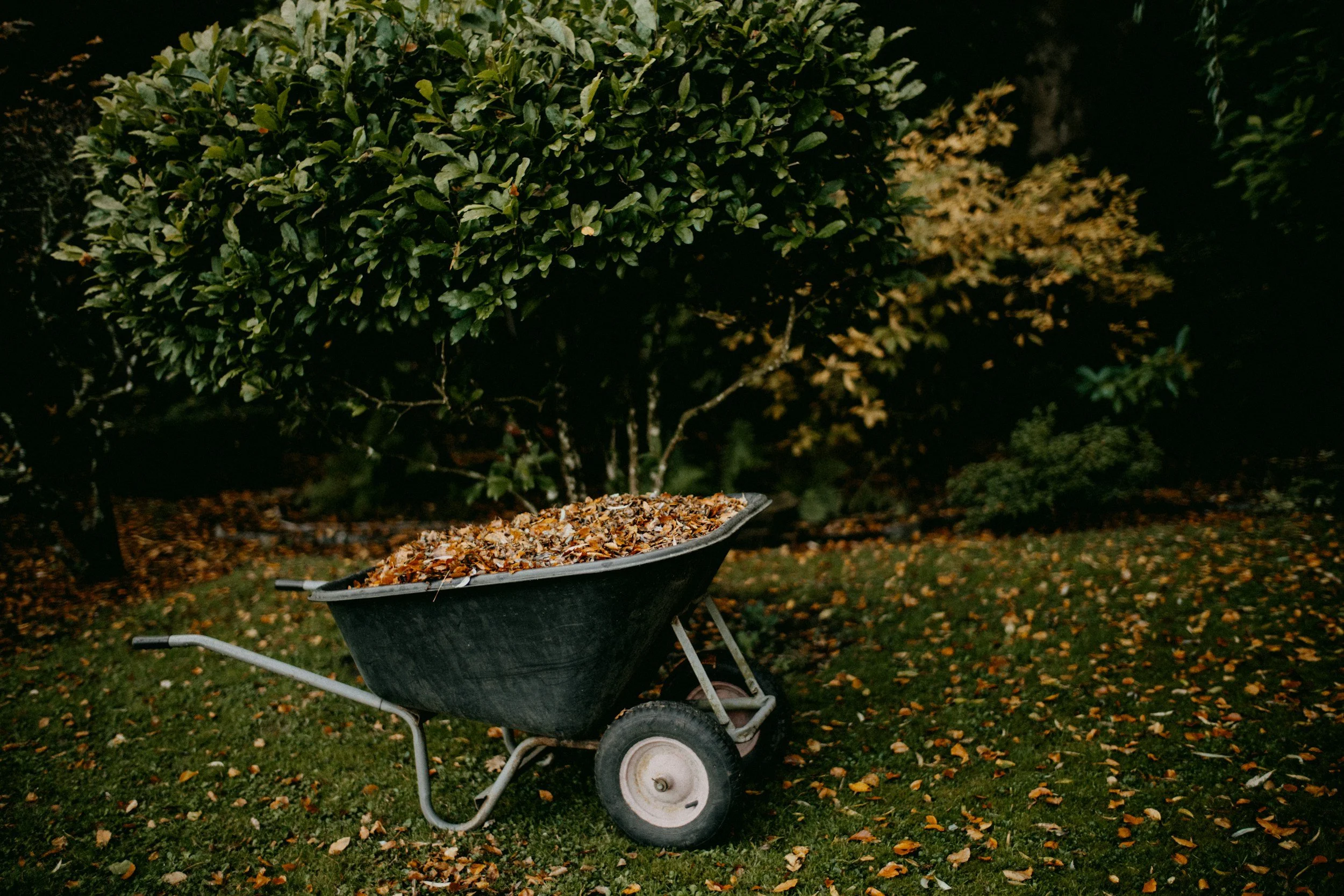
One of the simplest things we can do is make the most of the natural cycle of the garden. Allow fallen leaves to rot down on the beds, provided they aren't forming a thick layer that completely smothers the plants beneath them.
Leaf litter breaks down gradually, returning valuable organic matter to the soil. It also provides shelter and food for a huge range of garden wildlife. Rather than seeing every fallen leaf as something to clear away, think of it as part of the garden's own recycling system.
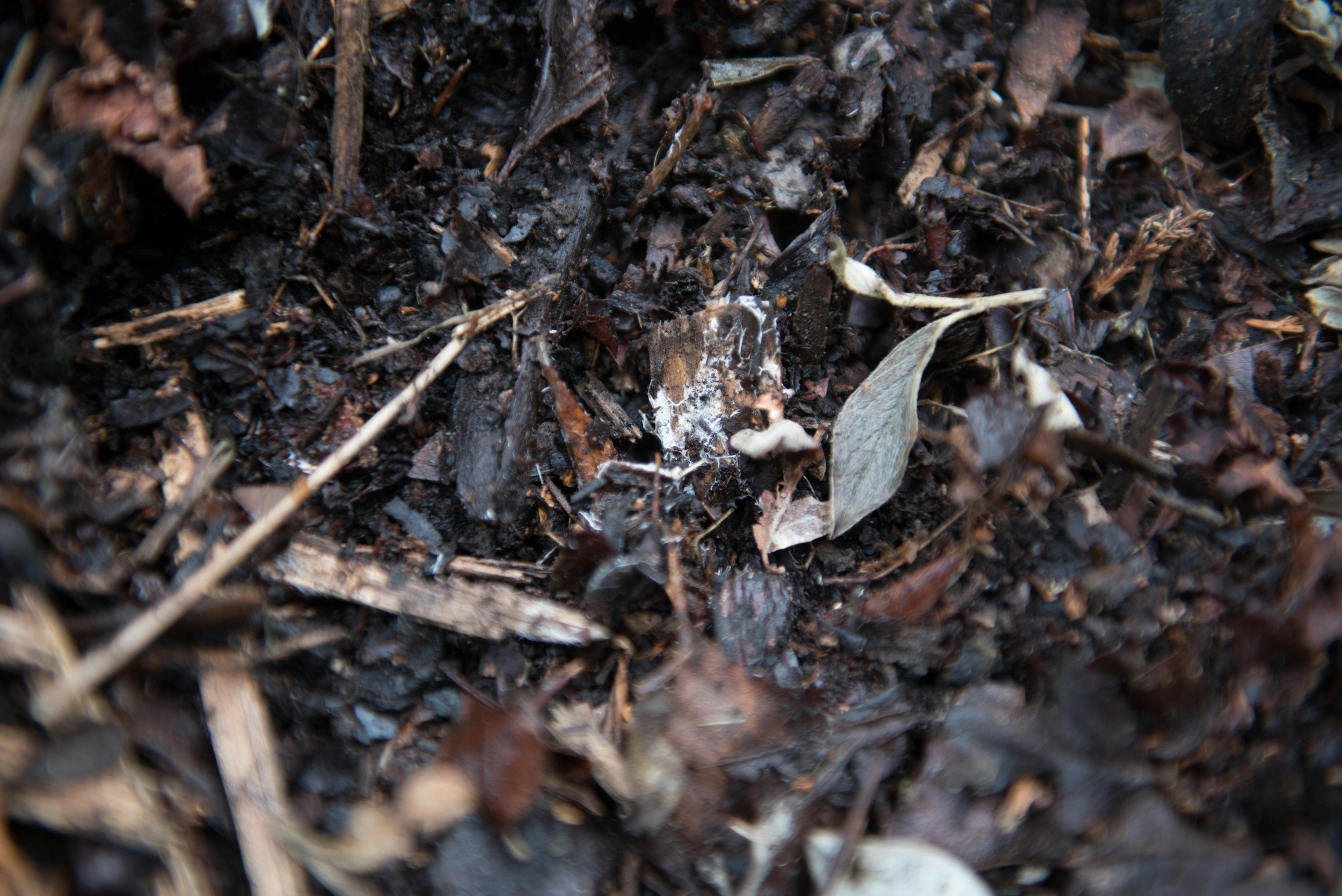
Where soil has become particularly dry or depleted, adding well-rotted organic matter or a good quality compost can also help improve its structure and moisture-holding capacity.
Tidy the lawn before winter
September is also an excellent time to give the lawn some attention. If the grass has had a difficult summer, a little preparation now will help it recover before winter.
A final cut of the grass can be carried out as growth slows, and don't forget to tidy the edges while you're at it. Crisp lawn edges can make an enormous difference to the overall appearance of a garden, particularly as borders begin to become less formal towards the end of the season.
For lawns that have suffered badly from drought, however, avoid being too aggressive while the ground is still hard and dry. Wait until conditions are suitable for the grass to recover.
Protect your perennials
As temperatures begin to fall, it is worth looking at the plants that need a little extra protection.
Top up mulch around the crowns of herbaceous and semi-hardy plants, taking care not to pile it directly against stems. A good layer of organic mulch helps protect roots and crowns from fluctuating temperatures, while also improving the soil as it breaks down.
Towards the end of the month is also the time to lift any non-hardy plants that have been enjoying the summer outside. Bring them into a suitable sheltered or frost-free space before temperatures drop too far, giving them a chance to overwinter safely.
Start planning rather than rushing

September isn't all about doing. It is also a useful month for planning the winter work ahead.
Take a walk around the garden and make a note of plants that have become overcrowded, shrubs that need pruning, and areas that could benefit from being redesigned or replanted.
Winter is often the ideal time for lifting and dividing established plants, when they are dormant and there is less stress on them. Making a list now means you can work methodically rather than trying to remember everything once winter arrives.
It's also a good opportunity to look at the garden as a whole. Where are the gaps? Which plants performed well despite the drought? Which struggled? Could some areas be planted with varieties better suited to increasingly dry summers?
Look after the garden — and let it rest
The change of season doesn't mean everything needs to be cut back and cleared away. In fact, quite the contrary, leaving some seedheads and stems standing through autumn and winter provides valuable habitat for insects and food for birds, as well as giving the garden structure when much of it has died back.
The aim is to prepare, protect and replenish, rather than strip the garden bare.
After a challenging summer, September gives us the opportunity to help the garden recover. By feeding the soil, protecting vulnerable plants, repairing tired lawns and making plans for the months ahead, we can set the garden up for a healthier autumn and winter — and a stronger start to next spring.