
There's something quite special about a garden in winter. The pace slows, the colours soften and the familiar summer abundance gives way to something altogether different. Bare branches reveal their structure, ornamental grasses catch the low winter light and frost transforms even the simplest seed heads into something beautiful.
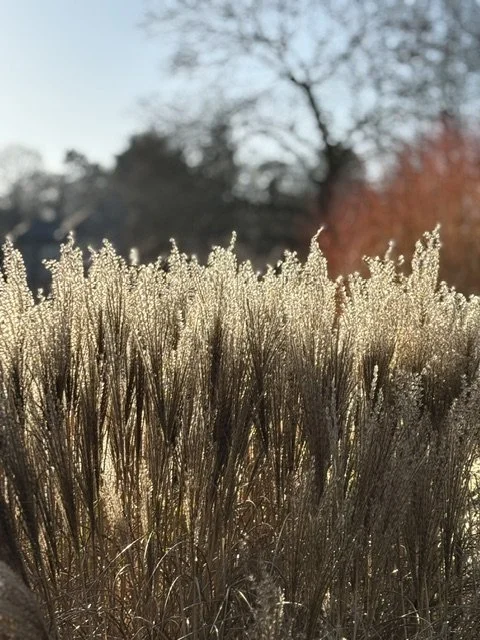
It's easy to think of winter as a time when the garden is simply waiting for spring. But look a little closer and there's still plenty happening. In fact, winter is one of the most important times to appreciate what our gardens offer, not just to us, but to the wildlife that calls them home.
And perhaps one of the best things we can do is simply learn to leave a little more alone.
Resist the urge to tidy everything away
As the garden begins to die back, there's often an instinct to cut everything down, clear fallen leaves and return beds to a neat and orderly state. But those seemingly untidy corners can be incredibly valuable.
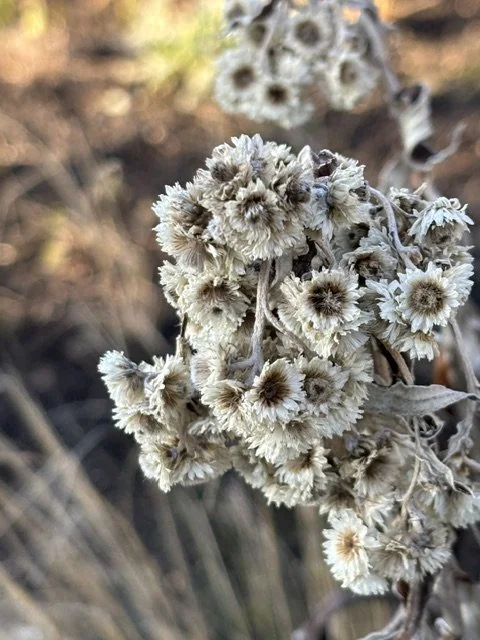
Leaving perennial stems, seed heads and grasses standing provides shelter and overwintering habitats for insects and other invertebrates. Hollow stems can offer places for solitary bees to shelter, while fallen leaves create a natural layer of protection for insects, amphibians and other small creatures.
There's beauty in allowing the garden to follow its natural rhythm, too. Seed heads and faded flower forms bring texture, movement and interest long after the flowers themselves have disappeared.
Rather than clearing everything away, consider leaving some areas undisturbed until early spring, when temperatures begin to rise and wildlife becomes more active again. A little less tidying can make a big difference.
Make room for the birds
Winter can be a challenging time for garden birds. Natural food sources become scarcer and colder weather makes finding enough energy to survive more difficult.
Providing supplementary food and fresh water is a simple way to make your garden more welcoming. Different foods will attract different visitors, so offering a varied selection of suitable bird food, such as sunflower hearts, peanuts and fat balls, can help support a wider range of species.
Position feeders somewhere birds can access safely, ideally with nearby shrubs or trees offering somewhere to retreat from predators. Remember to keep feeders and bird baths clean, replenish food regularly and make sure fresh water is available, particularly during freezing weather.
It's also worth thinking beyond feeders. Berry-producing shrubs, seed-bearing perennials and mature trees provide natural food sources, making planting choices an important part of creating a wildlife-friendly garden throughout the year.
And there's a lovely added bonus: a garden that attracts birds brings movement, colour and life to even the quietest winter day.
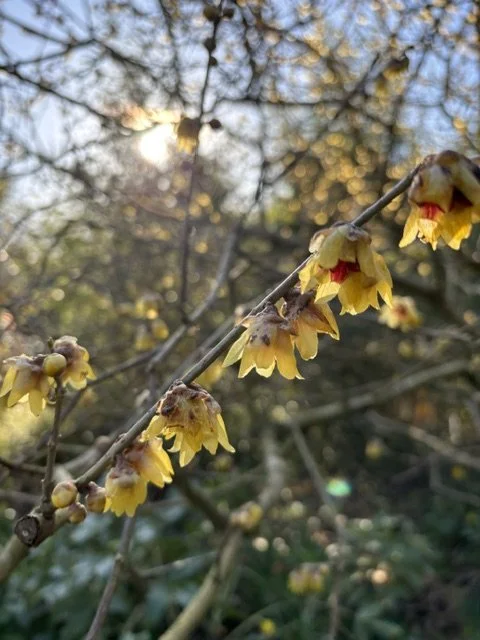
The vibrant and often beautifully scented Hamamelis mollis.
The importance of evergreen structure
When much of the garden has retreated, evergreens really come into their own. They provide the framework that holds a garden together, offering structure, depth and continuity when deciduous plants have lost their leaves and perennial borders have died back.
This doesn't mean filling every space with evergreen planting. Rather, it's about using it thoughtfully to create balance and give the garden something to hold onto throughout the seasons.
Clipped forms can provide a sense of order, while looser, more naturalistic evergreens bring softness and texture. Think of the architectural shapes of yew, the glossy foliage of sarcococca, the delicate evergreen structure of ferns or the movement of evergreen grasses.
Evergreen planting also offers valuable shelter for wildlife, providing cover for birds and places for insects and other small creatures to take refuge.
A well-considered mix of evergreen and deciduous planting means the garden never feels completely empty. Instead, it evolves throughout the year, with each season revealing something different.

Find beauty in the details
Winter encourages us to look at the garden differently. Without the distraction of flowers and lush summer growth, details that might otherwise go unnoticed become much more apparent.
The architectural silhouette of a tree, the texture of peeling bark, the delicate structure of dried grasses or the contrast between dark evergreen foliage and pale winter skies.
Frost brings another layer of interest, transforming familiar planting into something quite magical. Low winter sunlight creates long shadows, highlights textures and brings a warmth to the garden that can be fleeting but wonderful to capture.
It's also a season when some plants begin to take centre stage. Hellebores, snowdrops, winter aconites and witch hazel offer welcome moments of colour and remind us that the garden is never quite as dormant as it might appear.

The striking bark of the Acer Griseum can be a real showstopper in a winter garden.
Find inspiration beyond your own garden
Winter is also a wonderful time to seek inspiration beyond your own back door. A visit to a garden or botanical collection can offer a fresh perspective on the season and reveal just how much interest can be created through thoughtful planting, structure and texture.
Places such as Cambridge University Botanic Garden are well worth exploring during the winter months. Look beyond the obvious seasonal highlights and take inspiration from the combinations of evergreen planting, interesting bark, architectural trees and winter-flowering plants. Notice how paths, boundaries and focal points help give a garden its structure, and how different planting textures work together to create atmosphere.
Sometimes, seeing how other gardens embrace the quieter months is all it takes to spark an idea for your own space. Whether it's a particular plant combination, a beautiful view or simply a new appreciation for the changing seasons, there's plenty to take away from a winter garden visit. And if you’re left inspired (how could you not be) to make more of your outdoor space? We'd love to help you create a garden to enjoy in every season so get in touch to start the conversation.

Cambridge Botanical Garden showing off it’s true beauty in the winter months. Well worth a visit (or ten!)
