
Sustainability in the Garden: How to Do Better🌍
April 22nd marked this years Earth Day but in our eyes we believe this shouldn’t be limited to one day a year, and every day we should be making small but impactful changes to our gardening habits and practices. Here at Cultivate, we take great pride in our sustainable values and working practices and hope to lead by example. Our gardens are designed thoughtfully; from material sourcing, planting suggestions, as well as our carbon footprint consideration for each project undertaken. Each small change we all make contributes to a healthier planet and a more resilient outdoor space. The "Simpler Recycling reforms in England" is a recent great step forward, resulting in non black plastic pots now being accepted by councils for domestic recycling.
Here is a round up of some key focusses you can try which will go a long way:
Why it Matters
Modern gardening habits can contribute to bigger environmental issues like Climate Change and water scarcity. Overwatering, chemical fertilizers, and excessive lawn maintenance all put pressure on natural resources.
By adopting more sustainable practices, you can:
Conserve water
Reduce waste
Support local wildlife
Cut down on maintenance time and costs
Use Water Wisely
Water is one of the most valuable resources in any garden. Reducing water usage doesn’t mean sacrificing lush greenery — it just means being strategic.
Simple ways to cut back:
Water plants early in the morning or late in the evening to reduce evaporation
Swap sprinklers for drip irrigation systems that target roots directly
Install a water butt to collect rainwater
Techniques like Rainwater Harvesting can significantly reduce your reliance on mains water—especially useful during dry UK summers.
Right Plant, Right Place.
One of the simplest ways to create a sustainable garden is to select plants that are well suited to your local climate. With in-depth knowledge of Cambridge, we design contemporary, modern planting schemes guided by this principle—creating gardens that are both beautiful and enduring. Let us take the hard work off your hands—get in touch if you’re considering a redesign.
Native UK plants such as foxglove, hawthorn, and lavender:
Require less watering
Thrive in local soil conditions
Provide food and shelter for pollinators
This also helps support Biodiversity, which is essential for a healthy, resilient environment.
Cut Down on Garden Waste
Garden waste is often overlooked, yet much of it can be reused or repurposed.
Instead of throwing organic material away:
Start a compost bin for food scraps and garden cuttings
Turn fallen leaves into mulch
Reuse plant pots and containers
Practising Composting not only reduces landfill waste but also enriches your soil naturally—eliminating the need for chemical fertilizers.
Rethink the Traditional Lawn
Lawns may look neat, but they’re often the most water-hungry part of a garden.
Consider alternatives:
Replace sections of grass with wildflower meadows
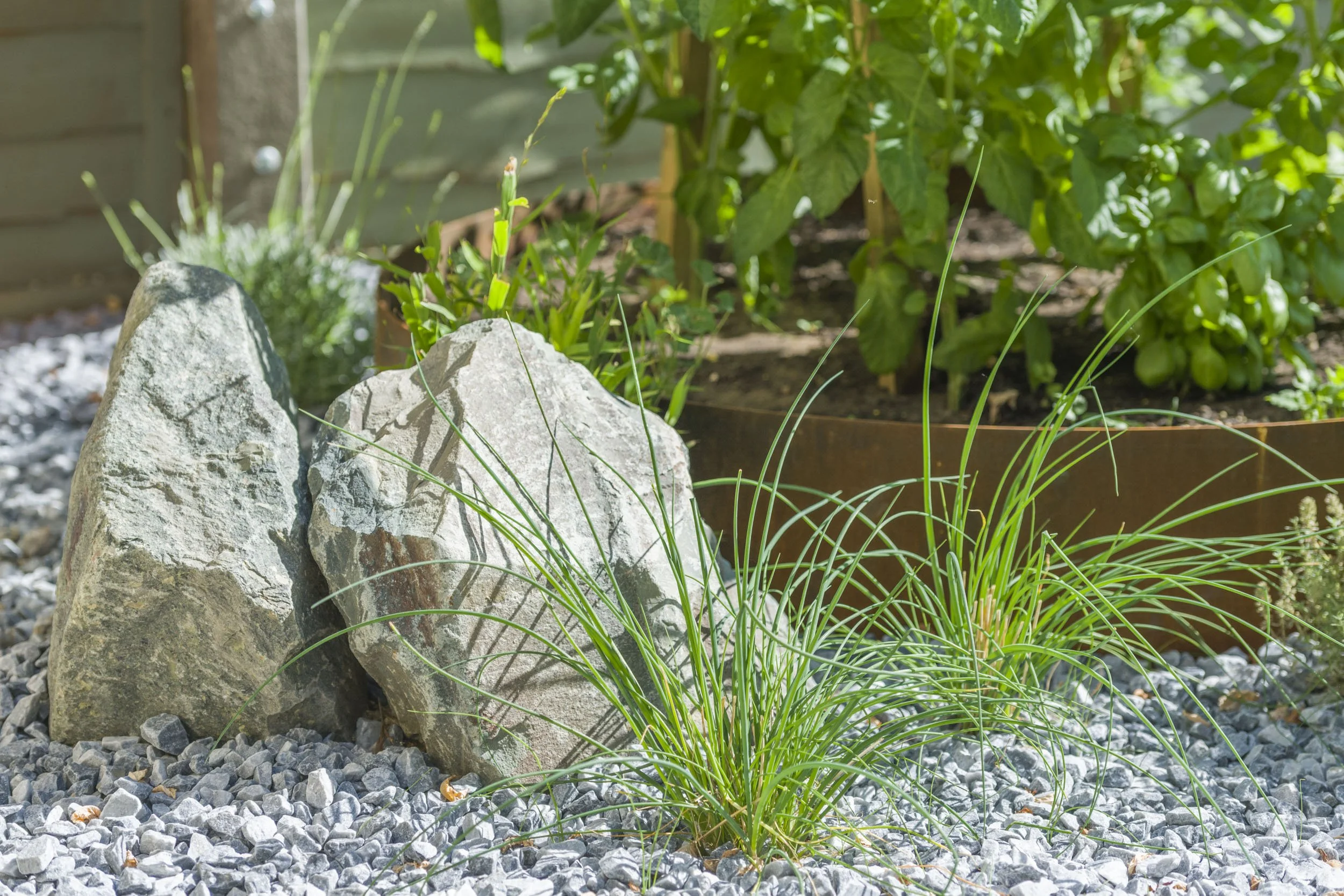
Introduce gravel or rock gardens
Use low-maintenance ground cover plants
Even reducing your lawn slightly can make a noticeable difference in water use and maintenance time.
Make Space for Wildlife
A sustainable garden isn’t just about plants—it’s about creating a thriving ecosystem.
You can:
Plant nectar-rich flowers for bees and butterflies
Add a small pond or water feature
Avoid using pesticides
Encouraging wildlife helps maintain natural balance and supports pollinators that are vital for food production.
Choose Sustainable Materials
We prioritise sustainability in every garden redesign by carefully selecting environmentally responsible materials. This includes using reclaimed or recycled wood wherever possible, choosing permeable paving to help reduce water runoff, and avoiding single-use plastics. By making these thoughtful design choices, we help minimise the environmental footprint of every garden we create.
How to Get Started
If you’re not sure where to begin, start small:
Install a rain barrel
Plant one native species
Begin composting kitchen waste
Let a corner of your garden grow wild
Water less, but more effectively
If all of the above has got you inspired, good for you, we’d love to know what steps you’re taking. Alternatively, if you’d like more of a helping hand in transforming your outdoor space into a smarter garden for the future, get in touch and we’ll do the rest.